
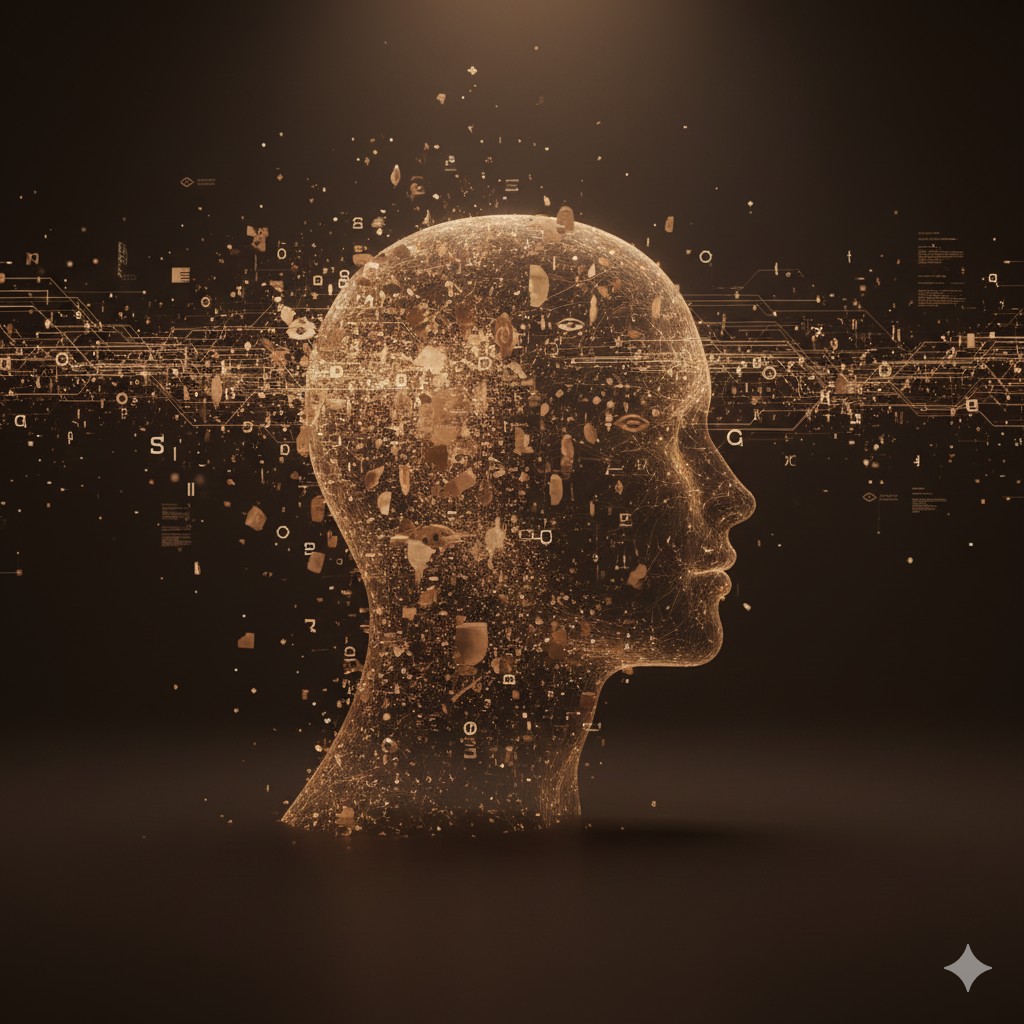
Identity was once shaped primarily through direct experience — family, culture, geography, and personal history. It evolved slowly, through relationships and reflection.
Today, identity is increasingly mediated.
Digital platforms do not simply reflect who we are. They participate in shaping who we become. Through algorithms that observe, categorize, and respond to behavior, platforms quietly influence self-perception, expression, and belonging.
From Self-Expression to Self-Optimization
Early digital spaces promised freedom of expression. Users could present themselves creatively, explore multiple identities, and connect beyond physical constraints.
Over time, expression became measurable.
Likes, shares, follows, and views transformed identity into performance. Algorithms rewarded certain behaviors with visibility, while others faded into obscurity. The self became something to optimize — adjusted to fit patterns that platforms favor.
Authenticity did not disappear, but it began competing with engagement.
Being Seen by the System
To exist online is to be observed.
Platforms continuously collect behavioral signals — what we click, pause on, scroll past, or return to. These signals form algorithmic profiles more detailed than any self-description.
Gradually, individuals begin to see themselves through the system’s reflection. Recommendations feel personal. Categories feel descriptive. Labels feel earned.
The system does not ask who you are — it decides who you resemble.
Identity as Feedback Loop
Algorithmic identity is recursive.
User behavior informs the system. The system shapes future exposure. Exposure influences behavior. Over time, this loop stabilizes identity into predictable patterns.
Exploration narrows. Alternatives become less visible. Difference fades not through censorship, but through irrelevance.
The self becomes legible — and therefore manageable.
The Pressure to Perform Coherence
Human identity is fluid, contradictory, and evolving. Algorithms prefer consistency.
To function efficiently, systems reduce complexity. They reward stable preferences, clear affiliations, and repeatable behaviors. Ambiguity confuses optimization.
As a result, users are subtly encouraged to perform coherence — to align expression with past behavior, audience expectations, and algorithmic predictions.
Inconsistency becomes a liability.
Belonging in Algorithmic Spaces
Platforms organize communities around shared signals.
Interests, beliefs, and identities cluster algorithmically, creating spaces that feel intimate and affirming. Belonging is no longer found; it is delivered.
But algorithmic belonging comes with boundaries. Exposure to difference decreases. Shared norms intensify. Identity becomes reinforced through repetition rather than dialogue.
Comfort replaces curiosity.
The Cost of Predictable Selves
Predictability benefits platforms.
Stable identities improve targeting, moderation, and monetization. But they constrain human growth. When systems anticipate who we are, they quietly limit who we might become.
Surprise, transformation, and dissent struggle to surface in environments optimized for continuity.
The future self is shaped by the past self — endlessly replayed.
Reclaiming the Unquantifiable
Resisting algorithmic identity does not require withdrawal.
It requires awareness.
Moments that resist measurement — private reflection, unshared experience, inconsistent expression — remain spaces of freedom. Identity grows where observation ends.
The self cannot be fully captured by data, but it can be influenced by what data amplifies.
Who Are We Becoming?
The algorithmic self is not imposed. It is co-created.
Platforms shape identity through design, incentives, and feedback. Users adapt through behavior, preference, and participation. Neither side acts alone.
The question is not whether algorithms shape us —
but whether we notice how.
Because identity formed in invisible systems risks becoming invisible to itself.