
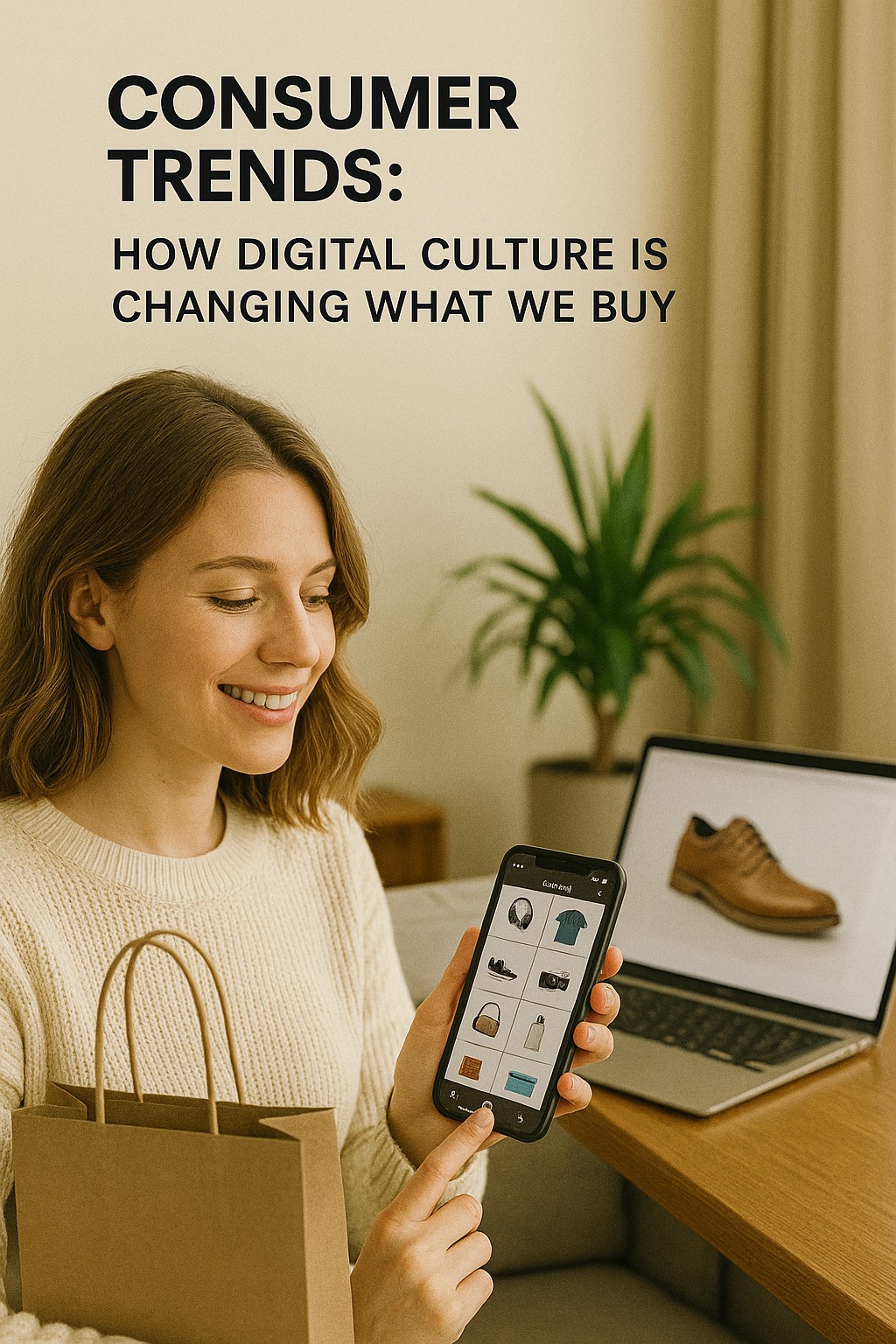
Digital culture has moved beyond the screen to fundamentally reshape the entire process of consumption. It has created a new generation of informed, empowered, and demanding consumers. What we buy, why we buy it, and where we discover it are all transforming under the influence of social media, AI, and the constant flow of digital information.
1. The Power of Personalization vs. Privacy Paradox
Modern consumers demand experiences that feel tailor-made, yet they remain deeply skeptical about how their data is used. This creates a core paradox in the digital shopping landscape.
- Hyper-Personalization: Fueled by Big Data and AI, brands now offer dynamic, highly personalized recommendations, emails, and even storefront layouts that adapt to individual browsing and purchase history. This convenience drives sales.
- The Trust Mandate: Consumers need to trust a brand before making a purchase. This trust is built through radical transparency about product origins, ethical conduct, and, critically, data privacy.
- AI-Driven Research: Generative AI tools (like Gemini or ChatGPT) are now actively used for shopping-related activities, including product comparison, summarization of reviews, and brand research, representing a shift from traditional keyword-based search.
2. Social Media: From Entertainment to Digital Storefronts
Social platforms have evolved past mere communication tools. They are the new primary discovery and transaction channels, especially for younger consumers.
- Social Commerce Boom: Platforms like Instagram, TikTok, and YouTube have become immersive digital storefronts where discovery and transaction are often integrated. Consumers are increasingly making purchases directly through these platforms (In-App Shopping).
- The Influence Economy: Social media influencers and user-generated content (UGC) hold immense sway. Digital word-of-mouth, including reviews and peer recommendations, is often more trusted than traditional advertising.
- Video Dominance: Short-form and serialized video content is the king of discovery. Brands must prioritize creative, boundary-pushing video to capture attention in the scroll-heavy feeds.
3. The Omnichannel Imperative: Blurring the Lines
The distinction between online and physical shopping is dissolving. Consumers expect a single, seamless experience regardless of the channel.
- Non-Linear Purchase Journeys: The path to purchase is complex: a consumer might discover a product on TikTok, price compare on a mobile app, and then transact (or pick up) in a physical store.
- Phygital Experiences: Retailers are leveraging technology in physical stores. This includes Click & Collect services, interactive digital signage, and using Augmented Reality (AR) to let shoppers virtually “try on” clothes or place furniture in their homes.
- The Experience Hub: Physical retail spaces are transforming from mere transaction points into community hubs that blend commerce with leisure, culture, and social interaction to meet new consumer expectations.
4. Values-Driven Consumption: Ethical and Conscious Choices
Digital culture has amplified the visibility of a brand’s actions, making ethical and sustainable practices a non-negotiable part of the purchasing equation.
- Conscious Consumerism: Consumers, particularly Gen Z, increasingly prioritize sustainability, ethical sourcing, and environmental impact. They actively seek brands that align with their personal values, favoring those with robust CSR (Corporate Social Responsibility) policies.
- Affordability vs. Value: The new definition of “value” is shifting. While affordability is important (driving the rise of “dupes” and private labels), quality and longevity—the antithesis of fast fashion—are also valued as an investment and a sustainable choice.